The Complete Guide to Installing Custom Window Treatments
Custom window coverings can dramatically change the look and function of a space. They control light, improve privacy, enhance energy efficiency, and contribute to the overall design of a room. While many homeowners focus heavily on fabric, color, and style, the success of any window covering often comes down to one critical step: proper window treatment installation.
This guide explains the fundamentals of installing custom window treatments, from preparation and measuring to mounting options and common mistakes. Whether you are a homeowner planning a project, a designer coordinating with installers, or a builder preparing a new home for finishing touches, understanding the installation process can help ensure the final result looks intentional and performs as expected.
Why Proper Window Treatment Installation Matters
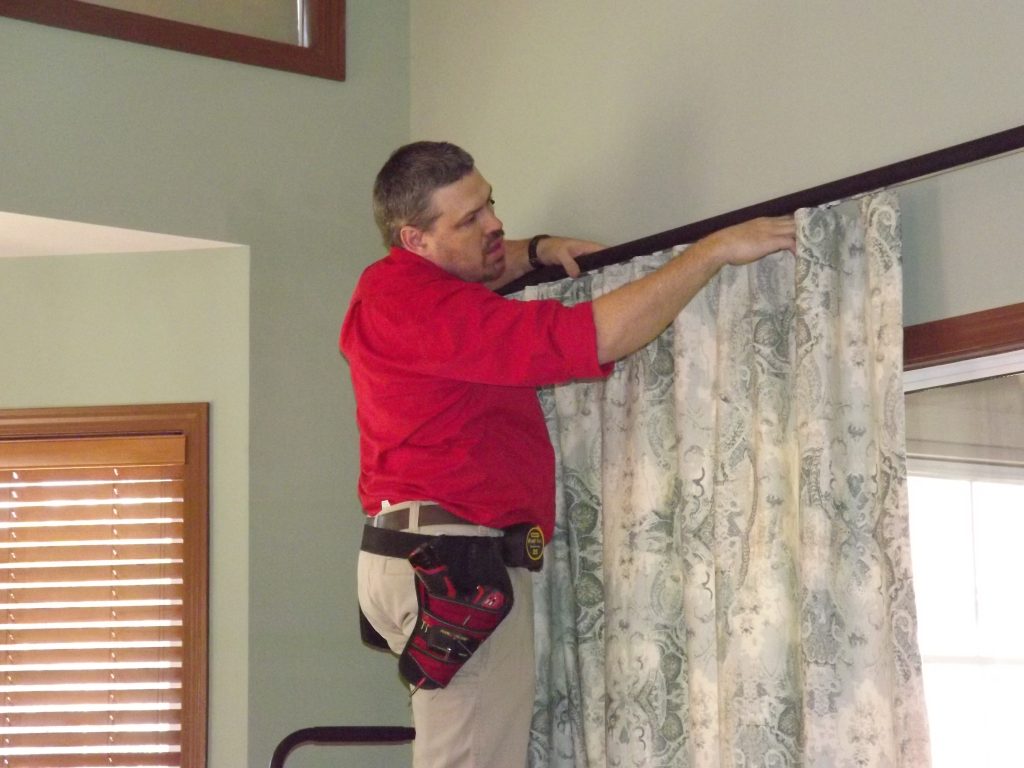
Window treatments are both decorative and functional. When installed correctly, they should operate smoothly, align visually with the architecture of the room, and maintain consistent spacing and symmetry across multiple windows.
Improper installation can lead to issues such as:
– Crooked or uneven window coverings
– Light gaps that reduce privacy or light control
– Difficulty operating blinds, shades, or shutters
– Premature wear on mechanisms or hardware
– Visible damage to drywall or trim
Many custom products are designed with precise tolerances. Even measurement errors as small a 1/8 of an inch or poorly chosen mounting points can affect how a product fits and functions.
For this reason, installation is often treated as the final step of a larger process that includes design, specification, fabrication, and careful preparation.
Preparing for Window Treatment Installation
Successful installation begins well before the first bracket is attached to the wall. Preparation typically includes three important steps.
1. Confirm Accurate Measurements
Precise measurements determine how the window covering will be manufactured and installed. The approach differs depending on whether the product will be mounted inside the window frame or outside it.
Measurements usually include:
- Window width at multiple points
- Window height at multiple points
- Depth of the window frame
- Location of obstructions such as handles or locks
Many windows are slightly out of square, especially in older homes. Measuring in several locations helps account for these variations.
2. Evaluate Mounting Surfaces
Installers must confirm that the wall, frame, or ceiling can properly support the window covering. Some products are surprisingly heavy, particularly large shutters, layered drapery systems, or motorized shades.
Installers may need to locate:
- Wood studs behind drywall
- Structural framing above window headers
- Solid backing in new construction
Secure anchoring is essential for both safety and long-term durability.
3. Plan for Clearance and Operation
Window coverings need adequate space to operate properly. For example:
- Roller shades must clear handles and locks
- Plantation shutters require space for louvers to tilt
- Drapery rods need room for panels to stack when open
Proper planning prevents interference with trim, hardware, or nearby furniture.
Inside Mount vs Outside Mount Installation
One of the first decisions during window treatment installation is how the product will be mounted. The mounting style affects both appearance and performance, so it is worth understanding the differences before ordering or installing custom coverings.
1. Inside Mount
Inside mount window coverings are installed within the window frame itself. This approach creates a clean, tailored look that works well in many interiors.
Advantages
- A streamlined appearance that sits flush within the frame
- Allows decorative trim and molding to remain visible
- Often preferred for modern or minimalist spaces
Considerations
- Requires adequate depth inside the window frame
- Small light gaps may appear along the sides
- The window opening should be relatively square for the best fit
Inside mounts are commonly used for blinds, cellular shades, roller shades, and some shutter installations.
2. Outside Mount (Wall or Trim Mount)
Outside mount window coverings are installed on the wall or directly on the window trim, extending beyond the edges of the window opening.
Advantages
- Improves light control by covering the entire opening
- Helps conceal windows that are slightly uneven or out of square
- Can make windows appear larger or taller when mounted higher on the wall
Considerations
- Requires careful alignment when multiple windows are in the same room
- Mounting hardware must be anchored securely into wall framing or appropriate anchors
Outside mounts are often used for Roman shades, decorative drapery rods, and blackout shade installations.
3. Ceiling Mount Applications
Ceiling-mounted window treatments are attached directly to the ceiling rather than the wall or window frame. While technically a form of outside mount, ceiling installations are often considered separately because they require different planning and hardware.
Ceiling mounts are commonly used for:
- Drapery tracks
- Motorized roller shades
- Floor-to-ceiling window treatments
- Minimalist or contemporary interiors
This style is especially common in homes with large windows or sliding glass doors. Designers sometimes use ceiling mounts to create the visual effect of taller ceilings.
Because ceiling installations rely on structural support above the drywall, they are often easiest to plan during new construction or major renovations.
Common Window Treatment Mounting Methods
Different window coverings require different hardware and mounting strategies. Some of the most common include:
1. Bracket Mounting
Blinds and many shades are supported by brackets secured to the frame or wall. The headrail snaps or slides into these brackets.
Precision is important because bracket spacing determines whether the headrail sits level and operates smoothly.
2. Frame Mounting for Shutters
Interior shutters are typically installed using a frame that attaches to the window opening. The shutter panels hinge from this frame.
The installer must account for:
- Window squareness
- Trim style
- Depth of the opening
Shutter installations often involve small adjustments to ensure the panels align evenly.
3. Ceiling or Track Mounting
Some drapery systems and motorized shades mount to the ceiling or a recessed pocket. These installations are common in modern homes and commercial spaces.
Ceiling mounting requires careful planning because anchors must support the full weight of the system.
Common Installation Mistakes to Avoid
Even experienced DIYers sometimes encounter issues during window treatment installation. Some of the most common problems include the following.
1. Misaligned Brackets
If brackets are not perfectly level, blinds and shades may tilt or bind during operation.
2. Incorrect Anchors
Drywall anchors that are too small or poorly installed can loosen over time. Heavy treatments may require anchors that connect to framing.
3. Ignoring Window Irregularities
Very few windows are perfectly square. Installers must adjust placement to maintain visual balance, especially when several windows appear in the same room.
4. Poor Spacing for Drapery
Mounting a rod too low or too narrow can make windows look smaller. Designers often place rods higher and wider to improve proportions.
5. Skipping Final Adjustments
After installation, most window coverings require small adjustments to ensure smooth operation and proper alignment.
Why Many Projects Use Professional Installers
While basic blinds can sometimes be installed by homeowners, custom window coverings often benefit from professional installation.
Experienced installers understand:
- Product-specific hardware requirements
- How to work with uneven walls and window frames
- How to align multiple windows consistently
- How to avoid damage to trim, drywall, or specialty finishes
They also bring specialized tools that allow precise placement and secure mounting.
For larger homes, designer projects, or commercial spaces, professional installation helps ensure the finished result matches the original design intent.
If You Are in the Greenville Area
Homeowners, interior designers, and builders in the Upstate of South Carolina often work with professional installers to coordinate the final stage of their window covering projects.
If you are located in or near Greenville, one of our qualified installers can assist with:
- Measuring for custom window coverings
- Planning inside or outside mount installations
- Installing blinds, shades, shutters, and drapery systems
- Coordinating installations for new construction or remodels
Even if your window treatments were purchased elsewhere, a professional installer can help ensure they are mounted correctly and operate as intended.
Final Thoughts
Window coverings are often one of the last elements installed in a space, yet they have a significant impact on both appearance and functionality. Understanding the basics of window treatment installation helps homeowners, designers, and builders make better decisions during planning and execution.
Accurate measurements, thoughtful mounting choices, and careful installation techniques all contribute to a finished result that looks balanced, operates smoothly, and performs reliably for years.
About the author:
James Holloway is the founder of TraVerse Enterprises, a professional window treatment installation company based near Greenville, South Carolina. He has worked in the window coverings industry for more than two decades and has completed more than 15,000 installation projects during his career.
He began working as a full-time installer in 2001, gaining hands-on experience installing shutters, blinds, shades, drapery systems, and motorized window coverings in residential and commercial environments. Over the years, his work has included projects for homeowners, interior designers, builders, retailers, and commercial property managers throughout the Upstate of South Carolina.
In addition to field experience, James has contributed to professional education within the industry. He previously served as an instructor for the Professional Installation 101 program at the Custom Home Furnishings Academy in Roswell, Georgia, where he trained installers in installation techniques, product handling, and jobsite best practices.
He has also been a contributing author to industry publications, such as Window Fashion VISION magazine.